
In a previous article on this topic, we introduced (or reintroduced) you to common logical fallacies. Those most frequently committed by people who may not even realize they are doing it. They are expressions of flaws in the way we think about a subject. We did not, however, talk about what logic is…
Logic is the scientific study of “valid rule of inference.” That is, the way we articulate relationships between propositions which lead to the acceptance of one, based on another accepted proposition or propositions. Here is an example of formal logic:
| Premise: | All spiders have eight legs. Black Widows are a type of spider. |
| Conclusion: | Black Widows have eight legs. |
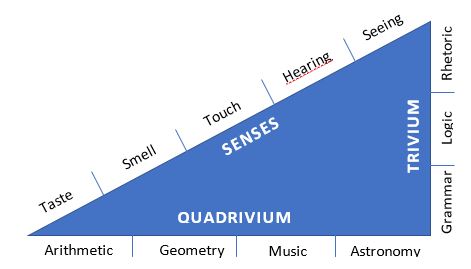
The aim of logic is to secure clearness, consistency, and validity of reason – it is thinking about how to think. We use logic every day whether we realize it or not. If you’ve ever troubleshooted an engine that won’t turn over, a computer that won’t turn on, dough that won’t rise, or any other similar issue, you’re using logic. Logic makes use of all of the senses in pursuit of validating propositions but combines knowledge of the other liberal arts and sciences to suss things out.Logic is important to Masons because it furthers the pursuit of one of our most important principles: truth (knowledge) and contributes to removing flaws in one’s own character. It is through inquiry, induction, and deduction that we arrive at conclusions which separate fact from fiction, right from wrong, rationality from irrationality, being emotional from being cerebral. True mastery of logic means freedom from anger, envy, and jealousy. Of course, this is easier said than done. It is one of the many reasons the journey in Masonry is lifelong.
 Thoughts on Life and Freemasonry